Web3 Social Media: Reclaiming Digital Ownership
How social media can change for the better on the blockchain
BLOCKCHAINSOCIAL MEDIA
DION
6/27/20253 min read
The Problem with Traditional Social Media
The social media giants—Facebook, Instagram, Twitter, YouTube, and TikTok—have become deeply embedded in our daily lives. Yet, behind the convenience lies a system where users have little control. We don't own our content, we don't control our audiences, and we often have no say in how our data is used or monetized. Algorithms dictate visibility, corporations profit from our personal information, and accounts can be suspended or demonetized without warning.
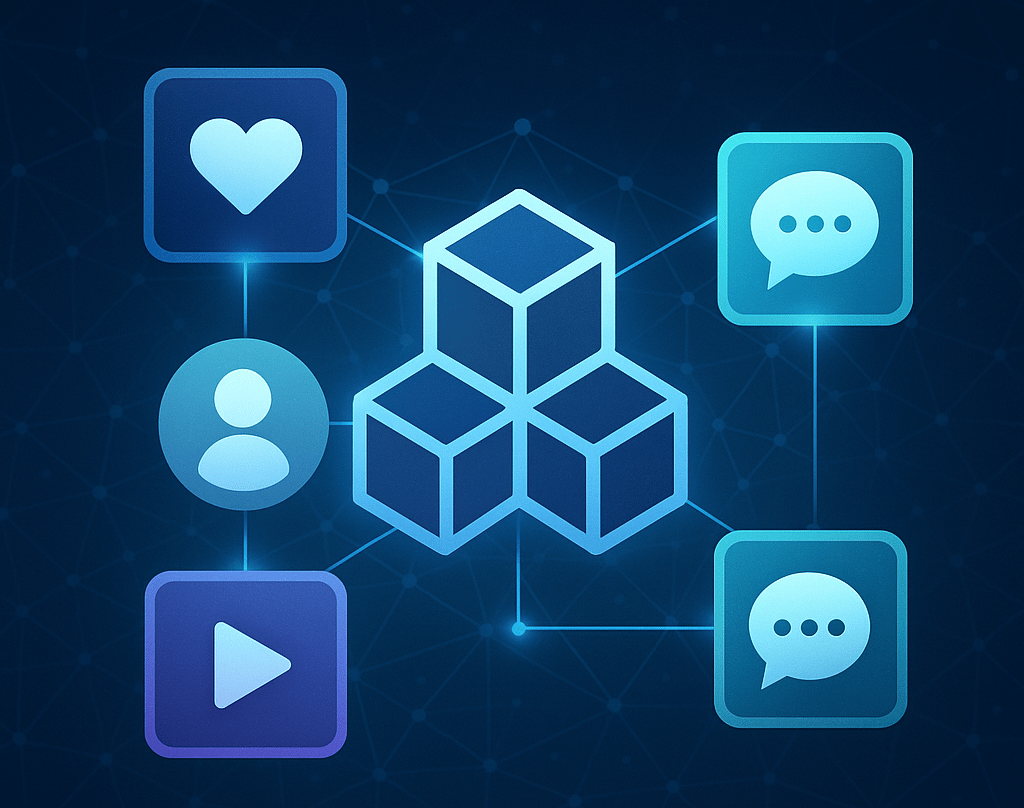
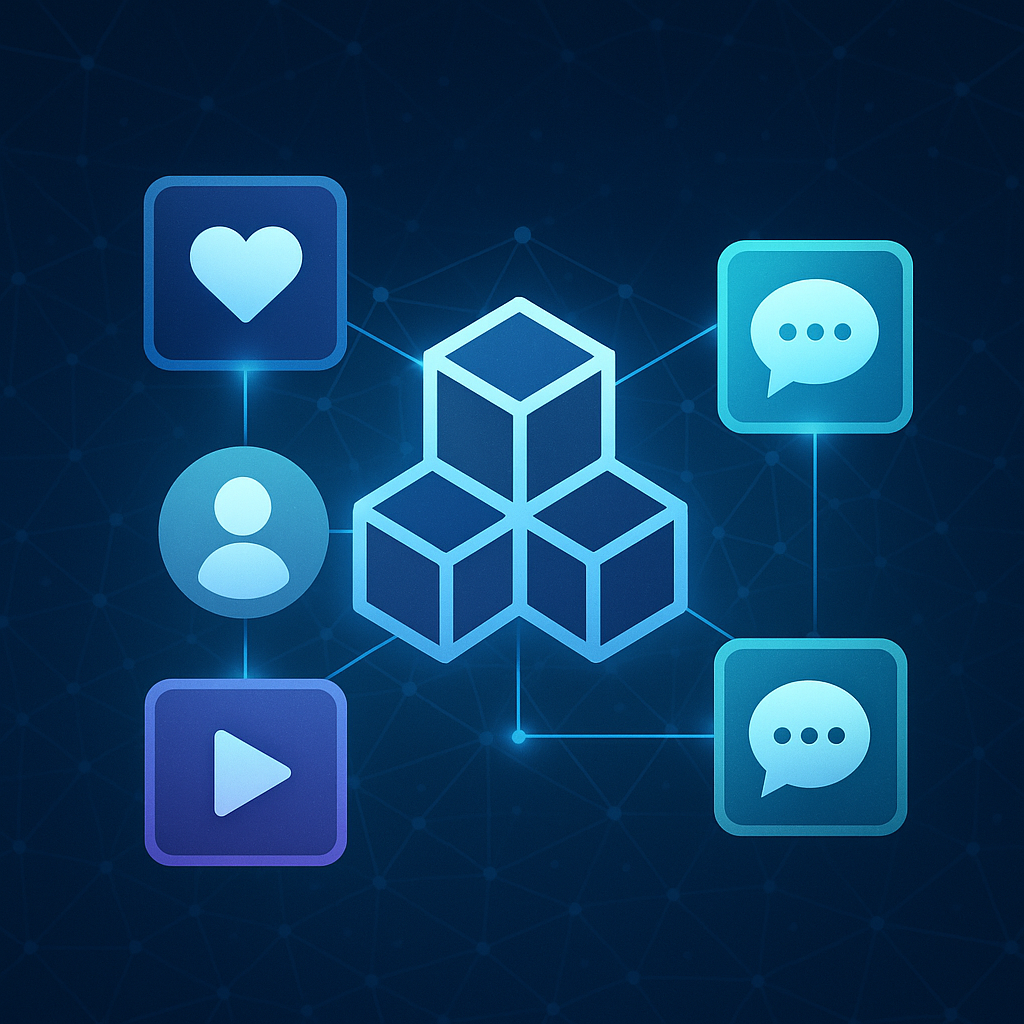
Web3 social media offers a radically different vision. Through decentralized networks, blockchain-powered ownership, and user-controlled identity, individuals gain full control over their content, followers, and monetization opportunities. This isn't just a new set of platforms—it's a fundamental restructuring of who owns and governs the internet.
What Makes Web3 Social Media Different?
In Web3, users aren't just content creators—they are platform participants and stakeholders. Unlike traditional platforms where control rests with centralized companies, Web3 social media allows:
Ownership of content via NFTs or tokenized media.
Portability of followers across multiple platforms.
Monetization that isn't dependent on ad revenue alone.
Censorship resistance through decentralized governance.
Personal control over data sharing and privacy.
Here, users are empowered rather than exploited.
The Core Technologies Behind Web3 Social
Web3 social media relies on several key innovations:
Decentralized Storage: Platforms use decentralized storage systems like IPFS, Arweave, and Filecoin to store content outside centralized servers.
Identity Layer: Wallet-based logins, decentralized identifiers (DIDs), and ENS names enable portable digital identities.
Tokenization: Creators can tokenize content, receive tips, and issue social tokens that enable fan-based economies.
Interoperable Protocols: Open standards let social platforms share content, followers, and engagement across different apps.
DAO Governance: Communities can collectively govern moderation policies, monetization rules, and platform development.
Key Web3 Social Media Projects
Several early leaders are pioneering Web3 social media:
Lens Protocol (https://lens.xyz): A decentralized social graph protocol on Polygon, powering apps like Lenster and Orb.
Farcaster (https://www.farcaster.xyz): A decentralized social network built on Optimism with open APIs for developers.
DeSo (https://deso.com): A custom Layer 1 blockchain designed for fully decentralized social media apps.
Mastodon (https://mastodon.social): Federated, open-source alternative to traditional social networks.
Minds (https://www.minds.com): An open-source platform rewarding creators with crypto for engagement.
Mirror (https://mirror.xyz): A decentralized publishing platform where writers mint their work as NFTs.
Benefits of Web3 Social Media
The advantages of Web3 social platforms are significant:
Creator Monetization: Revenue streams from NFTs, tips, subscriptions, and token-based economies.
Audience Ownership: Followers belong to the creator, not the platform.
Censorship Resistance: Decentralized governance reduces deplatforming risks.
Data Sovereignty: Users control how their personal information is shared and monetized.
Transparent Moderation: DAO governance brings transparency and community-driven policy.
Open Innovation: Interoperable standards foster competition and diverse app development.
Challenges to Adoption
Despite its promise, Web3 social media faces real-world hurdles:
Traditional platforms still dominate through network effects.
Onboarding remains complex for mainstream, non-crypto users.
Decentralized infrastructure needs to scale for mass usage.
Moderation debates remain heated between free speech and abuse prevention.
Unclear regulations around tokenized monetization models.
The Future of Web3 Social Media
Web3 social media may evolve into a fully sovereign digital ecosystem:
Portable Identities: Users carry their identity and audience across any app.
Subscription Models: Creators build recurring revenue via smart contract subscriptions.
DAO Media Guilds: Collectives of creators govern platforms and revenue distribution.
Micro-Payments: Frictionless tipping and per-post monetization at a global scale.
AI Discovery: Decentralized AI recommends content based on transparent, unbiased algorithms.
Conclusion: From Big Tech to Self-Sovereign Social Media
"Web3 social media isn't just about new platforms—it's about who controls the internet's future."
By putting ownership back in the hands of users and creators, Web3 social platforms challenge the dominance of Big Tech. Rather than centralized companies dictating the rules, Web3 allows communities to govern their own digital spaces, creating a fairer, freer, and more user-centric internet experience.
Further Reading & References
Lens Protocol: https://lens.xyz
Farcaster: https://www.farcaster.xyz
DeSo: https://deso.com
Mastodon: https://mastodon.social
Minds: https://www.minds.com
Mirror: https://mirror.xyz
Messari Web3 Social Report: https://messari.io/report/web3-social
a16z Crypto Social Thesis: https://a16zcrypto.com/web3-social/