The Rise of DAOs: Governance in Web3 Explained
Going over what a DAO is, and the functions they serve
BLOCKCHAIN
DION
6/18/20253 min read
The New Governance Frontier
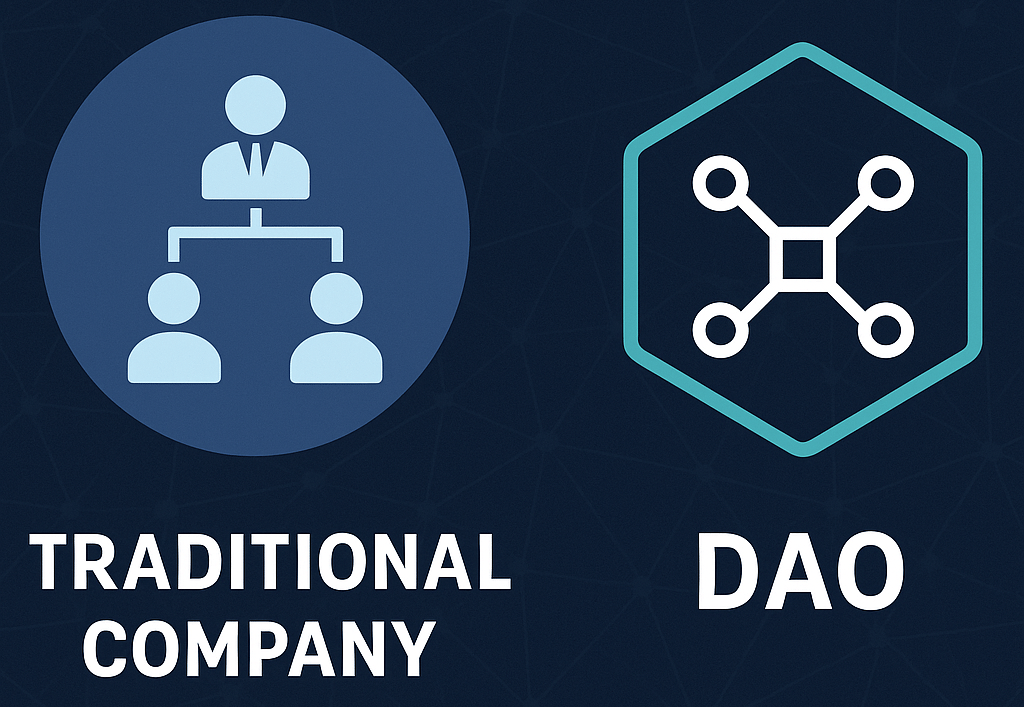
The way we organize, govern, and collaborate is evolving. Traditional corporations rely on rigid hierarchies, centralized leadership, and limited transparency. Web3 introduces a new model: the Decentralized Autonomous Organization (DAO). DAOs are redefining governance by placing power directly in the hands of communities, leveraging blockchain technology to automate and democratize decision-making.
What Is a DAO?
A DAO is a decentralized organization governed by smart contracts deployed on a blockchain. Rather than relying on CEOs, boards, or executives, DAOs enable members to collectively vote on decisions, manage resources, and direct the organization’s activities. Everything from treasury movements to governance proposals is visible and verifiable on-chain, ensuring transparency and accountability.
Why DAOs Matter
Global Participation: Anyone with internet access can participate in many DAOs, regardless of location.
Decentralization: Power is distributed among members, reducing single points of failure.
Transparency: On-chain records ensure full visibility into proposals, votes, and financials.
Incentive Alignment: Contributors are often stakeholders, creating shared interests in the DAO’s success.
Community Empowerment: Members directly shape the DAO's future.
DAO Structures
Protocol DAOs: Govern decentralized finance protocols (e.g., Uniswap, Aave).
Grant DAOs: Fund open-source projects and public goods (e.g., Gitcoin, MetaCartel).
Investment DAOs: Pool capital for collective investments (e.g., The LAO, FlamingoDAO).
Social DAOs: Foster online communities with shared values (e.g., Friends with Benefits, CabinDAO).
Collector DAOs: Acquire and manage digital and physical assets (e.g., PleasrDAO, ConstitutionDAO).
Service DAOs: Provide consulting, development, or Web3 services (e.g., RaidGuild, DeveloperDAO).
How DAOs Work (The Core Components)
Treasury: Funds are held in on-chain wallets, often managed through multi-signature wallets or smart contracts.
Governance Token: Distributed to members to provide voting power and influence.
Proposal System: Members submit ideas or proposals for organizational changes, funding, or partnerships.
Voting Mechanism: Decisions are made via token-weighted voting, quadratic voting, or delegated voting.
Smart Contracts: Automatically execute approved decisions.
Governance Frameworks: Tools like Aragon, Snapshot, Tally, and DAOstack help manage DAO operations.
Benefits of DAOs
Community ownership and empowerment.
Inclusive global participation.
Seamless integration with other Web3 protocols.
Fully transparent financial management.
Lower barriers to entry for new contributors.
Challenges Facing DAOs
Voter Apathy: Low participation rates in governance decisions.
Whale Domination: Large token holders can disproportionately influence outcomes.
Legal Uncertainty: Lack of clear regulatory frameworks in many jurisdictions.
Security Risks: Vulnerabilities in smart contracts and governance processes.
Coordination Complexity: Managing operations as DAOs scale in size and scope.
Legal Status of DAOs
As DAOs grow in prominence, legal questions remain unresolved. Many DAOs are experimenting with hybrid legal structures to provide some level of formal recognition:
Wyoming DAO LLC: Legal recognition of DAOs as LLCs in the United States.
Swiss Associations: Flexible structures for nonprofit-style DAOs.
Cayman Islands Foundations: Frequently used for DeFi and investment DAOs.
Marshall Islands DAOs: New legislation providing legal status for DAOs.
Regulators worldwide continue to grapple with how to classify DAOs — whether as partnerships, cooperatives, or new legal entities entirely.
The Future of DAOs
DAOs as replacements for traditional business entities.
Community-driven venture capital through Investment DAOs.
DAOs governing metaverse platforms, creative projects, and digital worlds.
Scientific research DAOs funding decentralized innovation.
AI-enhanced DAOs incorporating automation for efficient decision-making.
Conclusion: A New Governance Layer for the Internet
"DAOs aren't just companies without CEOs — they're internet-native coordination machines."
DAOs represent one of the most radical shifts in organizational design since the creation of the modern corporation. As Web3 matures, DAO governance could reshape industries, empower creators, and redefine how communities coordinate globally. The rise of DAOs signals a new era where power, ownership, and decision-making truly belong to the people who build.
Further Reading & References
Uniswap DAO: https://uniswap.org
Aave DAO: https://aave.com/governance
Gitcoin: https://gitcoin.co
MetaCartel: https://metacartel.org
The LAO: https://www.thelao.io
FlamingoDAO: https://flamingodao.xyz
Friends With Benefits: https://www.fwb.help
ConstitutionDAO: https://constitutiondao.com
RaidGuild: https://raidguild.org
DeveloperDAO: https://developerdao.com
Aragon: https://aragon.org
Snapshot: https://snapshot.org
Wyoming DAO LLC Law: https://wyoleg.gov/2021/Enroll/SF0038.pdf
Marshall Islands DAO Law: https://www.midao.org