
How Global Regulators Are Approaching Crypto: 2025 Outlook
Regulation is coming no matter how you look at it.
BLOCKCHAINLEGAL
DION
6/16/20253 min read
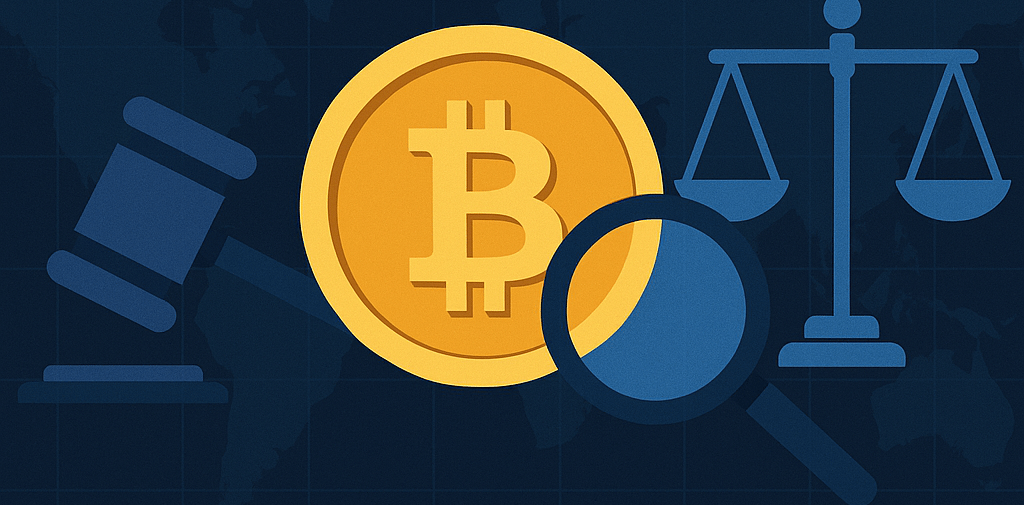
Why Crypto Regulation Is the Key Battlefront
The era of unregulated crypto is ending. As the digital asset space continues to grow, governments worldwide are racing to establish clear legal frameworks. For innovators, builders, and investors, regulatory clarity is both a threat and an opportunity. The decisions made in 2025 will shape how crypto integrates with global finance for years to come.
The Key Global Regulatory Themes Emerging in 2025
In nearly every major jurisdiction, several recurring regulatory themes are emerging:
AML / KYC Enforcement: Greater demands for identity verification and anti-money laundering controls.
Stablecoin Regulation: New laws to enforce reserve transparency, audits, and issuer licensing.
DeFi Scrutiny: Growing attention on decentralized protocols, governance structures, and risk management.
Self-Custody vs Custodial Platforms: Differentiation between personal wallets and third-party custodians.
Token Classification: Ongoing debates on what constitutes a security, commodity, or utility token.
Institutional Adoption Pressures: Large financial institutions pushing for compliance-ready solutions.
Regional Breakdown: How Major Jurisdictions Are Approaching Crypto
United States
SEC (Securities and Exchange Commission): Aggressively pursuing classification of tokens as securities.
CFTC (Commodity Futures Trading Commission): Overseeing derivatives and spot markets for crypto assets.
Ongoing Lawsuits: Ripple, Coinbase, and Binance US cases influencing regulatory definitions.
Stablecoin Legislation: Draft laws providing clarity for stablecoin issuers like USDC and USDT.
Banking Integration: Policy discussions on how banks can handle crypto assets under federal oversight.
Treasury Department: Focused on sanctions compliance, anti-terrorism financing, and illicit use.
European Union
MiCA (Markets in Crypto Assets Regulation): Comprehensive framework now active across the EU.
Unified Licensing: Crypto firms can operate across all EU countries with a single license.
Stablecoin Oversight: Strict reserve requirements for stablecoin issuers.
Data Privacy: Balancing blockchain transparency with GDPR data privacy obligations.
United Kingdom
Post-Brexit Framework: Crafting a unique regulatory regime separate from EU rules.
FCA Oversight: Regulating exchanges, custodians, and crypto marketing practices.
Innovation Sandboxes: Testing DeFi and Web3 applications under controlled environments.
China
Trading Ban: Domestic ban on most crypto trading remains in place.
CBDC Development: Aggressive rollout of the Digital Yuan.
State-Controlled Blockchain: Development of BSN (Blockchain Services Network) for enterprise and government use.
Japan
Mature Framework: One of the world’s earliest comprehensive crypto regulatory regimes.
Licensed Exchanges: Strict rules for exchanges, custodians, and token listings.
Stablecoin Rules: Clear guidelines benefiting industry resilience.
Singapore
MAS (Monetary Authority of Singapore): Proactively licensing exchanges and custodians.
Stablecoin Oversight: Rules for reserve transparency and operational stability.
Balanced Approach: Promoting innovation while actively managing systemic risk.
Other Regions
Middle East (UAE, Dubai): Favorable regulation to attract Web3 companies.
Australia: Token mapping initiatives to classify crypto assets.
South Korea: Strengthening exchange rules following previous collapses.
South America (Brazil, Argentina): Growing adoption for inflation hedging and financial inclusion.
Areas of Global Consensus Emerging
Despite differing approaches, regulators worldwide are converging on several key principles:
AML / KYC Standards: Cross-border alignment on identity verification and anti-money laundering.
Stablecoin Reserves: Broad agreement on the need for fully-backed stablecoins.
Wallet Differentiation: Recognizing the distinction between self-custody and custodial platforms.
DeFi Regulation: Still highly unsettled and expected to dominate future regulatory debates.
CBDCs: Governments advancing their own state-backed digital currencies in parallel.
The Big Wildcards Going Into Late 2025
Will the U.S. Congress pass comprehensive crypto legislation?
The final outcome of Ripple's legal battle and its impact on token classifications.
Competition between private stablecoin issuers and government-backed CBDCs.
Global enforcement actions targeting decentralized protocols and DAOs.
FATF (Financial Action Task Force) influencing international crypto standards.
Conclusion: Regulation Is the Road to Maturity
Crypto regulation is no longer a question of "if" but "how." The jurisdictions that successfully balance innovation with consumer protection and financial stability will become hubs for capital, development, and adoption. As 2025 unfolds, the frameworks being established today will set the rules of engagement for the next decade of Web3.
"The question is no longer if crypto will be regulated. The question is: how smart and balanced will the regulations become?"
Further Reading & References
SEC Enforcement Actions: https://www.sec.gov/spotlight/cybersecurity-enforcement-actions
CFTC Crypto Oversight: https://www.cftc.gov/IndustryOversight/VirtualCurrency/index.htm
MiCA Regulation Overview: https://www.europarl.europa.eu/news/en/headlines/economy/20230417STO79702/mica-eu-crypto-asset-regulation-agreed
UK FCA Crypto Guidance: https://www.fca.org.uk/firms/financial-crime/cryptoassets
MAS Singapore Crypto Licensing: https://www.mas.gov.sg/regulation/explainers/explainer-on-digital-payment-token-services
FATF Recommendations: https://www.fatf-gafi.org/en/publications/Fatfrecommendations/Updated-Guidance-VA-VASP.html