
Blockchain x Healthcare: Securing Medical Data in the Web3 Era
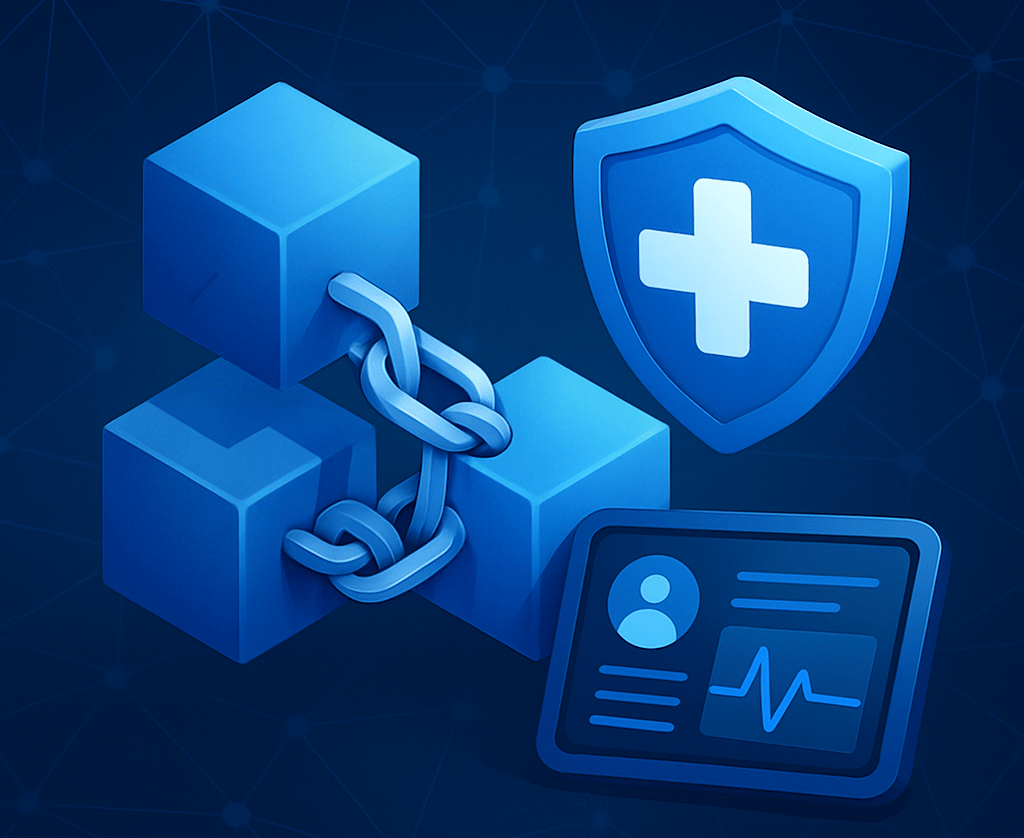
Healthcare getting a booster shot with blockchain technology
BLOCKCHAINDATA/DATA STORAGE
DION
6/24/20253 min read
Why Healthcare Needs Blockchain
Healthcare is one of the most data-intensive industries, but it's also one of the most fragmented. Patient information is scattered across hospitals, insurance companies, government agencies, and private providers. This fragmentation leads to inefficiencies, privacy concerns, and vulnerabilities that put patients at risk. Blockchain technology introduces a powerful way to secure, unify, and empower healthcare data, giving patients control over their own medical records while improving transparency across the industry.
The Problems with Traditional Medical Data
Siloed Databases: Medical records are stored separately by each healthcare provider, making it difficult for patients and doctors to access complete information when needed.
Data Breaches: Millions of patient records are exposed annually due to cyberattacks, hacking incidents, or insider threats.
Lack of Interoperability: Different healthcare systems often can't communicate with each other, leading to incomplete records and duplicate testing.
Limited Patient Control: Patients typically have no say in who accesses their data or how it's shared.
Manipulated Trial Data: Pharmaceutical studies and clinical trials may be prone to selective reporting or data suppression.
Insurance Fraud: Complex billing systems create opportunities for fraudulent claims and administrative errors.
How Blockchain Solves Healthcare Data Issues
Immutable Records: Every update to a patient's medical history is time-stamped and permanently recorded on a blockchain ledger, preventing tampering or accidental deletion.
Patient-Controlled Access: Patients can manage who has access to their records through private keys and smart contracts, ensuring data is shared only with trusted providers.
Interoperable Health Passports: Blockchain allows health records to be recognized across borders, improving care for travelers, immigrants, and global patients.
Secure Data Sharing: Researchers can analyze anonymized medical data while keeping patient identities protected, encouraging better studies without sacrificing privacy.
Transparent Clinical Trials: Trial data can be recorded on-chain to prevent manipulation and ensure results are publicly verifiable.
Fraud Reduction: Blockchain's transparency and auditability make it harder to submit false claims or inflate billing charges.
Core Supply Chain Blockchain Models
Public Blockchains: Open systems that allow any authorized party to verify data integrity.
Permissioned Blockchains: Controlled networks where healthcare institutions govern access while maintaining data privacy.
Hybrid Models: Combine transparency for oversight with privacy protections for sensitive patient data.
Key Blockchain Healthcare Projects
MediBloc (https://medibloc.org): Provides patients full ownership over their health data while allowing secure data sharing with providers.
Healthereum (https://healthereum.com): Uses token incentives to improve patient engagement and streamline healthcare interactions.
Genomes.io (https://genomes.io): Offers secure storage and controlled sharing of individual genomic data.
Molecule (https://molecule.to): Decentralizes drug discovery and research funding through DAO structures.
Patientory (https://patientory.com): Personal health management platform using blockchain for secure storage and care coordination.
Solve.Care (https://solve.care): Streamlines care delivery, appointment scheduling, and payment processing with blockchain technology.
Longenesis (https://longenesis.com): Manages consent and compliance for medical trials using blockchain to ensure patient autonomy.
Use Cases Beyond Hospitals
Secure Telemedicine: Blockchain ensures medical records and video consultations remain confidential.
Pandemic Data Sharing: Decentralized data improves global coordination in public health emergencies.
Credential Verification: Doctors, nurses, and healthcare providers can prove their qualifications on-chain.
Cross-Border Insurance Claims: Simplifies international care coordination and payment processing.
Personalized Medicine: Facilitates secure sharing of genetic and lifestyle data for individualized care plans.
Public Health Tracking: Real-time surveillance of disease outbreaks with privacy-preserving analytics.
The Privacy Advantage: Web3 vs Traditional Systems
Encryption + zkProofs: Patients can share proof of medical facts (e.g., vaccination status, age) without exposing full records.
Selective Disclosure: Only necessary portions of health records are shared for each interaction.
AI Training: Healthcare AI models can be trained on anonymized data, balancing privacy with progress.
Challenges to Adoption
Global Privacy Laws: Regulations like HIPAA, GDPR, and others create legal complexities for data sharing.
Legacy Systems: Many hospitals and insurers still operate on outdated, incompatible technology.
Standards & Interoperability: Global adoption requires alignment on technical protocols.
Ethical Data Monetization: Concerns about financial incentives surrounding patient data.
Public Trust: Patients and providers must be educated on decentralized data ownership models.
The Future of Healthcare on Blockchain
Personal Health Wallets: Individuals carry portable, unified medical histories across providers and countries.
Global Health IDs: Borderless patient identity systems streamline medical tourism and international care.
Research DAOs: Decentralized communities fund and oversee drug research and medical studies.
Transparent Trials: Public, tamper-proof clinical trial data restores trust in pharmaceutical studies.
AI-Driven Medicine: Precision medicine models are built on decentralized, secure data pools.
Conclusion: Health Data Comes Home to the Patient
"In Web3 healthcare, you're no longer a file — you're the owner of your health story."
Blockchain offers patients the chance to finally take control of their medical data while creating a more secure, efficient, and transparent healthcare system. As healthcare becomes more digital, decentralized solutions may offer the best path forward for both privacy and innovation.
Further Reading & References
MediBloc: https://medibloc.org
Healthereum: https://healthereum.com
Molecule: https://molecule.to
Patientory: https://patientory.com
Longenesis: https://longenesis.com
Deloitte Blockchain & Healthcare: https://www2.deloitte.com/us/en/insights/industry/health-care/blockchain-in-health-care.html
World Economic Forum - Blockchain and Health: https://www.weforum.org/whitepapers/blockchain-ethical-design-healthcare