Blockchain and Real World Assets: Tokenizing the Physical World
Real World Assets shaping how everything will be tokenized.
BLOCKCHAINREAL WORLD ASSETS (RWA)
DION
6/25/20253 min read
Why Tokenization Is the Next Wave
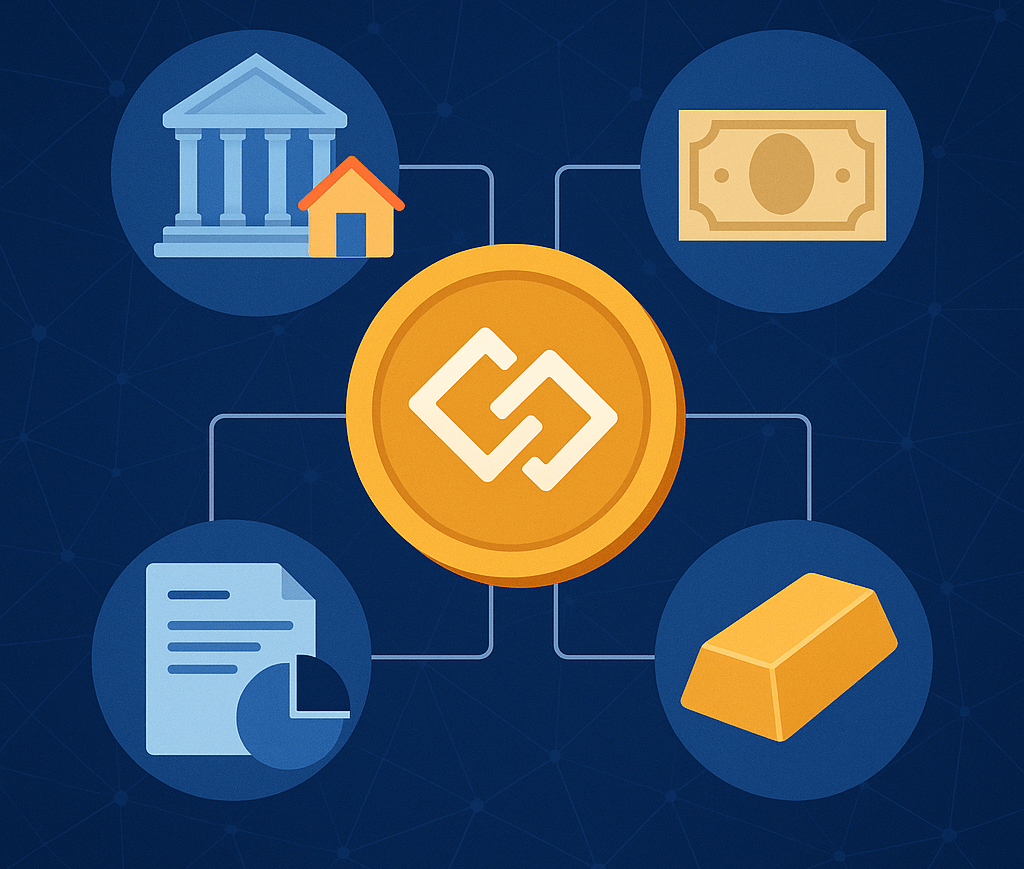
Blockchain technology started with purely digital assets like Bitcoin and Ethereum, but its next major frontier is the tokenization of real-world assets (RWAs). These are physical or traditional financial assets that exist off-chain, such as real estate, stocks, commodities, and private equity. By representing these assets as blockchain tokens, new markets are being unlocked that offer fractional ownership, greater liquidity, and 24/7 global access. Institutions, asset managers, and banks are beginning to embrace this shift, making tokenization one of the most important Web3 developments for the coming decade.
What Are Real World Assets (RWAs)?
Real world assets refer to anything with tangible or financial value that exists outside of blockchain ecosystems. Through tokenization, these assets are digitally represented as blockchain-based tokens that reflect:
Ownership rights
Revenue streams
Claims on physical property
This allows assets that were previously limited to private deals, illiquid markets, or exclusive ownership to become globally accessible, divisible, and easily tradable.
Why Tokenize Real World Assets?
Tokenization brings several powerful benefits to markets that have long suffered from inefficiencies:
Liquidity: Illiquid assets like real estate and private equity become easily tradable.
Fractional Ownership: Smaller investors can own shares of high-value assets.
Global Access: Investments become borderless, accessible 24/7.
Reduced Costs: Fewer intermediaries lower fees and administrative burdens.
Transparency: Blockchain ensures immutable records of ownership.
Faster Settlement: Transactions clear much more quickly than in traditional systems.
The Types of Real World Assets Being Tokenized
A wide range of asset classes are being brought on-chain:
Real estate (residential, commercial, mortgages)
Private equity and venture capital funds
Corporate bonds and treasury bonds
Commodities like gold and precious metals
Fine art and collectibles
Royalty income streams from music or IP
Invoices and trade finance receivables
Key Blockchain RWA Projects
Several projects are leading the charge in the real-world asset tokenization space:
Ondo Finance: Tokenized U.S. treasuries and bond markets.
Maple Finance: Decentralized credit and lending for real businesses.
Centrifuge: Tokenizes global trade finance assets.
RealT: Fractionalized real estate ownership.
Goldfinch: Expands decentralized credit to emerging markets.
Securitize: Compliance-first tokenization platform for institutions.
Figure: Tokenizes private lending and home equity lines of credit.
Swarm Markets: Bridges traditional securities and commodities with blockchain trading.
Institutions Are Entering the RWA Space
Large financial institutions are moving quickly into this sector:
BlackRock, JPMorgan, Citi, Goldman Sachs, and Franklin Templeton have all launched pilots.
Central banks are exploring tokenized sovereign debt and digital bonds.
Institutional adoption is driving clearer legal frameworks and regulatory standards.
Regulatory and Compliance Considerations
While the benefits are enormous, tokenizing real-world assets introduces complex regulatory challenges:
Securities regulations from SEC, MiCA, and IOSCO.
Mandatory KYC and AML procedures.
Transparent custody requirements and asset backing disclosures.
Regulatory sandboxes are helping to test and refine these frameworks.
Challenges to Adoption
Despite its promise, RWA tokenization faces real-world barriers:
Varying securities laws across jurisdictions.
Integration challenges with legacy financial systems.
Early-stage liquidity concerns for tokenized assets.
Reliable third-party custodians to verify asset backing.
Collaboration required between old and new financial infrastructures.
The Future of RWA Tokenization
Looking ahead, RWA tokenization will likely expand into:
Fully integrated public and private blockchain marketplaces.
DAO-managed real estate and private equity investment funds.
AI-powered, real-time portfolio optimization.
On-chain derivatives tied to real-world assets.
Fractional residential home ownership models.
Global investor participation in previously gated markets.
Conclusion: Blockchain Merges Digital and Physical Ownership
"The blockchain revolution isn’t replacing Wall Street — it’s rebuilding it on-chain."
Tokenization may ultimately serve as the bridge connecting traditional finance and Web3, unlocking trillions in capital while opening up wealth-building opportunities for global investors of all sizes. As real-world assets meet blockchain, finance may finally become more inclusive, efficient, and transparent.
Further Reading & References
Ondo Finance: https://ondo.finance
Maple Finance: https://maple.finance
Centrifuge: https://centrifuge.io
RealT: https://realt.co
Goldfinch: https://goldfinch.finance
Securitize: https://securitize.io
Figure: https://www.figure.com
Swarm Markets: https://swarm.com
Boston Consulting Group RWA Report: https://www.bcg.com/publications/2023/the-tokenization-of-assets